Halal Masterbatch: What Packaging Converters Need to Know
Halal assurance no longer stops at the food. Brand owners in Malaysia, Indonesia and the Gulf increasingly ask about the packaging too, and that question reaches the additives inside the film.
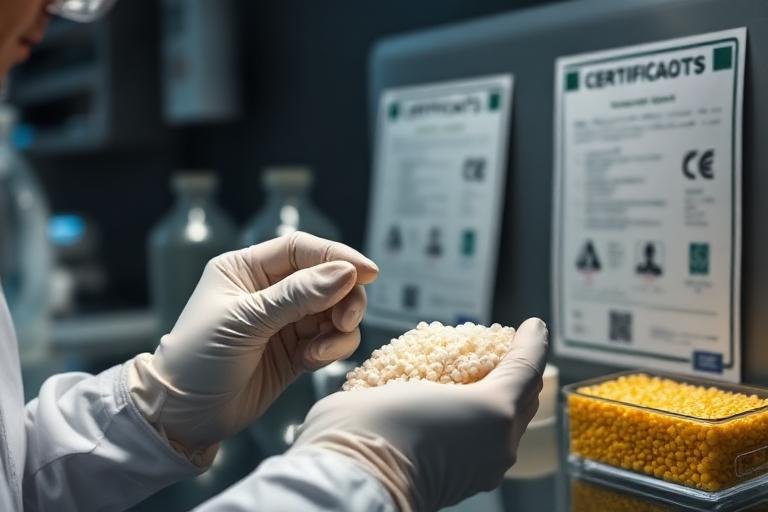
For food and beverage brands selling into Muslim-majority markets, Halal certification covers ingredients, processing and, increasingly, the materials that touch the product. Packaging converters supplying those brands are being asked to show that their film, bags and containers fit within the brand's Halal assurance system.
The polymer itself is rarely the issue: polyethylene and polypropylene are made from petrochemical feedstocks. The question is the additives. Several common additive families are derived from fats and oils, and fats can come from plant or animal sources.
Fatty acid amides such as erucamide and oleamide, widely used as slip agents, are made from fatty acids. Glycerol monostearate, used in many antistatic and anti-fog grades, is made from glycerol and stearic acid. Metal stearates such as calcium and zinc stearate are common acid scavengers and lubricants. Each can be made from vegetable oils such as palm or rapeseed, or from animal fats such as tallow, and the chemical is the same either way. Only the supply chain documentation shows which.
Malaysia's JAKIM certification is widely recognised across the region, and Indonesia has a halal product assurance law that phases certification requirements in across many product categories. Requirements and their timing differ by country and by product, so converters should confirm with their customers what documentation the brand needs and by when.
What to ask your masterbatch supplier.
Ask whether slip, antistatic, anti-fog and stearate ingredients are plant- or animal-derived, by grade.
Ask for a Halal certificate or a written Halal status letter for each grade you buy, not a general statement.
Ask how the plant prevents cross-contamination if any animal-derived materials are processed on the same lines.
Ask to be told before any raw material or source changes, so your file stays valid.
Halal documentation sits alongside the other papers a packaging customer already asks for: food-contact declarations, REACH and RoHS statements and, increasingly, PFAS-free confirmation. A supplier who can provide them together, by grade, saves time at every audit.
Aviura is progressing Halal certification for its functional masterbatch range, produced in Selangor, Malaysia. In the meantime we provide a Halal status letter for each grade, together with the TDS, SDS and batch COA, and food-contact declarations where the formulation qualifies. Tell us which grades you use and which markets you supply, and we will send the documents you need.
Halal assurance reaches the packaging, and the packaging reaches the additives.
Masterbatch supplier for Indonesia