PFAS-Free Processing Aids: What Film Converters Should Know
Fluorinated polymer processing aids have long been the standard fix for melt fracture in blown film. Regulators and brand owners are now asking converters to move away from them.
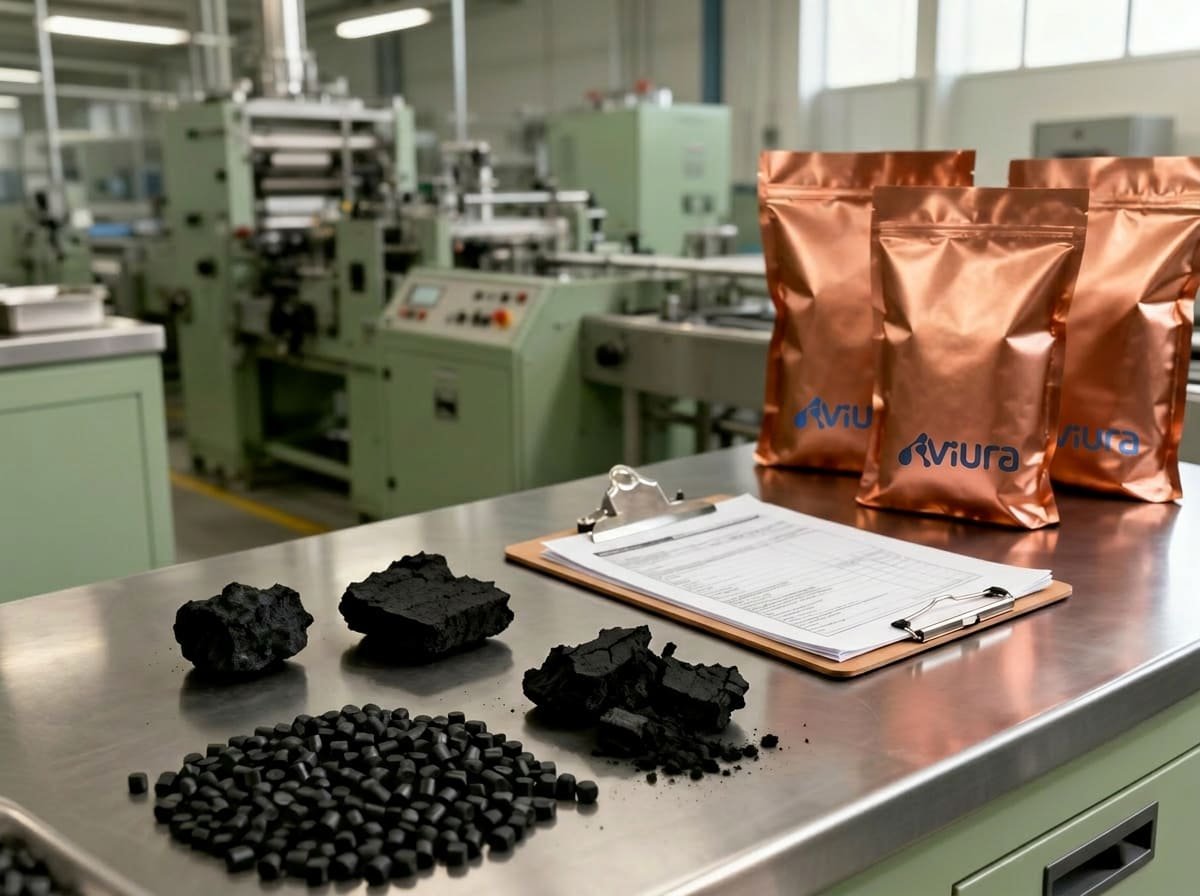
Polymer processing aids (PPAs) coat the die wall so the melt slips through smoothly. They remove sharkskin and melt fracture, reduce die build-up and let lines run faster, especially with LLDPE and mLLDPE.
Most conventional PPAs are fluoropolymers, which fall under the broad family of PFAS. Restrictions on PFAS are being developed in Europe and the UK, and many brand owners now ask their packaging suppliers to confirm PFAS-free materials.
For converters supplying the UK and EU, or packing for global brands, the question is no longer whether to plan for PFAS-free processing, but when.
How to plan the switch.
List the lines, resins and products that use a fluorinated processing aid today.
Melt fracture, die build-up, gels or output: the replacement must fix the same issue.
Non-fluorinated aids can behave differently, so run a line trial before changing the specification.
Ask for a written PFAS-free statement for the grade, not just a product name.
Aviura's processing family includes a conventional PPA, a PPA with antioxidant, and a PFAS-free processing aid (PFF) for UK and EU film and extrusion.
If you want to test a PFAS-free option, send us your resin, die gap and the problem you are solving, and we will plan a trial with you.
The best time to qualify a PFAS-free processing aid is before a customer asks for it.
See Processing grades