Antimicrobial Masterbatch for Plastics: What It Does and What You Can Claim
Antimicrobial plastics can reduce the growth of bacteria on surfaces that are touched often or cleaned only from time to time. To use them well, you need to know how they work, how they are tested and what you are allowed to say about them.
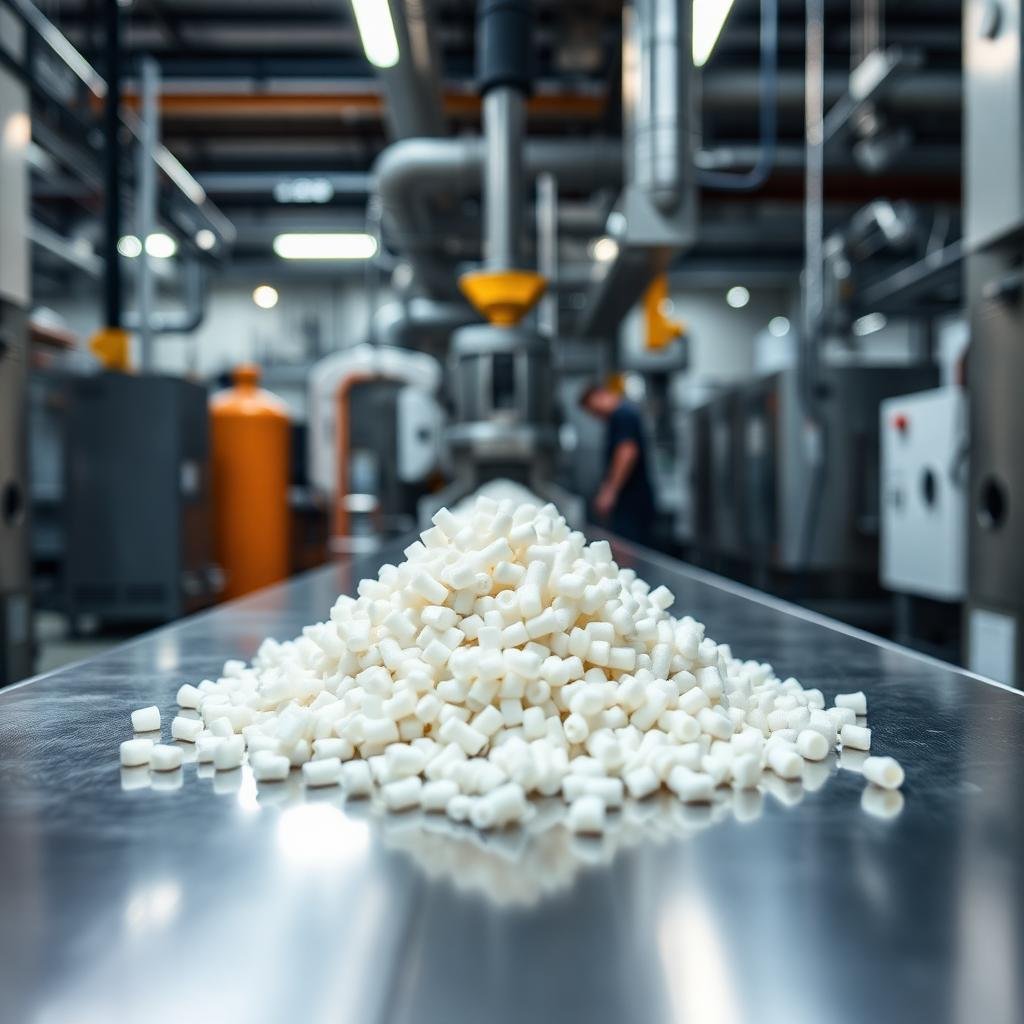
An antimicrobial masterbatch carries an active agent dispersed in a polymer carrier. Added to PE or PP during moulding or extrusion, the agent is spread through the part and is present at its surface, where it slows or stops the growth of bacteria that land there. Common actives include silver-based and zinc-based systems, which release small amounts of ions at the surface over time, and some organic agents.
The effect is measured with ISO 22196, the international method for antibacterial activity on plastic surfaces. Test bacteria, typically Staphylococcus aureus and Escherichia coli, are placed on treated and untreated samples and kept in contact for 24 hours. The number of bacteria recovered from each is compared, and the result is expressed as a log reduction: a value of 2 means 99% fewer bacteria on the treated surface, and 3 means 99.9%.
Because the active is distributed through the polymer, not coated on top, the effect generally lasts through normal wear and cleaning. Durability still depends on the active, the dose, the polymer and how the product is used and washed, so it is worth testing samples after the cleaning cycles the product will see in service, not only when new.
Antimicrobial plastics support hygiene. They do not sterilise a surface and do not replace cleaning. This matters for how products are marketed, because claims about antimicrobial plastics are regulated in many markets and the rules differ between them.
Four things to settle before you launch an antimicrobial product.
Check the rules where the product will be sold before you design the claim or the label.
Claims that the plastic itself resists bacterial growth are treated differently from claims to protect people from disease.
Keep ISO 22196 reports on your actual material, and repeat tests after ageing or cleaning if durability is claimed.
Food-contact, medical and toy products have their own rules, which apply on top of antimicrobial ones.
In the European Union, plastics with an antimicrobial agent are treated articles under the Biocidal Products Regulation: the active substance must be approved for that use, and treated articles carry labelling duties. In the United States, the EPA's treated article rules generally limit claims to protecting the product itself unless the product is registered. Other markets have their own requirements. Always confirm what is allowed in each market before you finalise packaging and marketing.
Aviura's AMB antimicrobial masterbatch for PE and PP is tested to ISO 22196, and we provide the test report for your supplier file. Tell us the product, polymer, market and the claim you want to make, and we will advise on the grade, dose and documentation for your application.
Antimicrobial plastic supports hygiene; it does not replace cleaning. Keep your claims to what the evidence and the rules allow.
See engineering and specialty grades