Choosing UV Protection for Agricultural Film in Tropical Climates
Greenhouse, mulch and agricultural films work in some of the harshest conditions any polymer faces. The right UV package depends on more than the number of seasons on the specification.
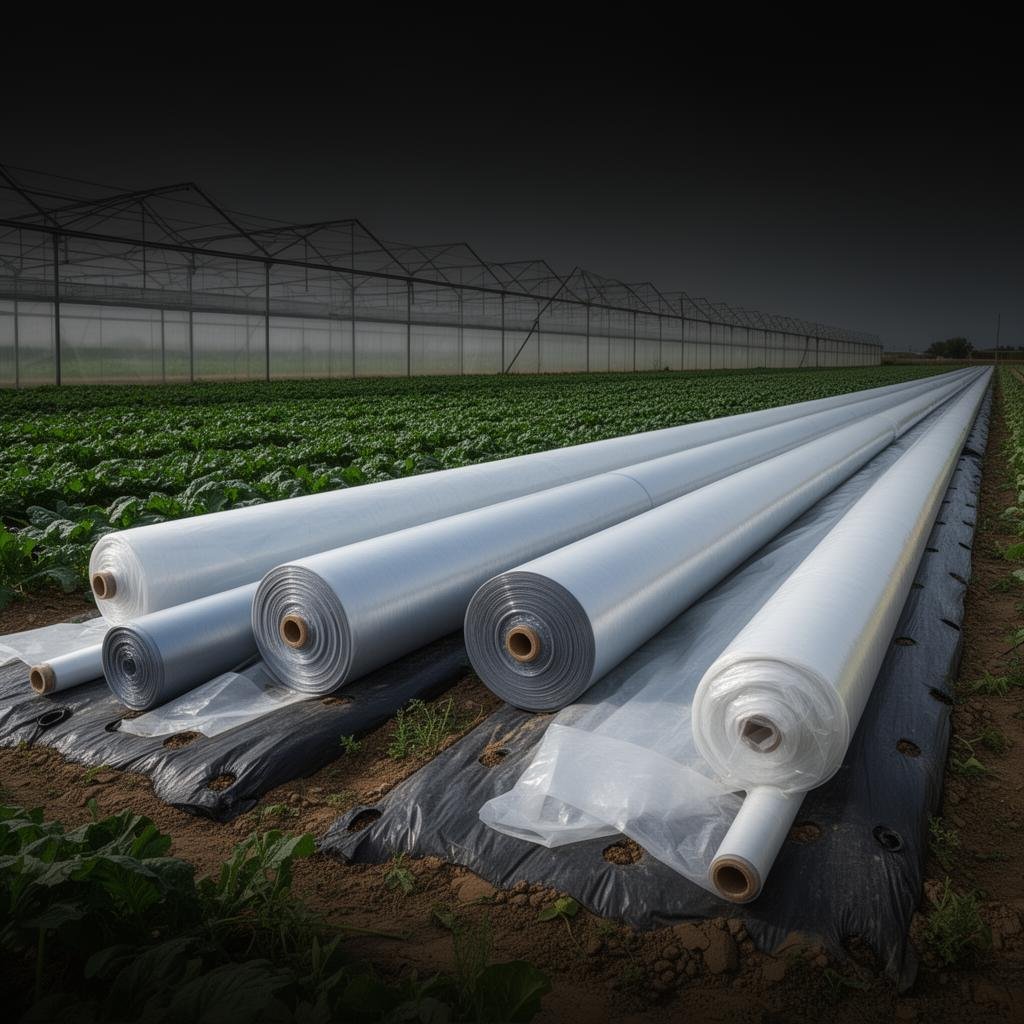
Polyethylene film exposed to sunlight breaks down as UV radiation and heat attack the polymer chains. The film loses elongation, becomes brittle and eventually tears.
In tropical regions, high year-round radiation and heat speed this up. Agrochemicals add a second stress: sulphur- and chlorine-based treatments can deactivate some UV stabilisers, so a film that would last in one farm can fail early in another.
That is why Aviura treats agricultural UV as its lead product family, with a dedicated agricultural UV stabiliser (AGR), a general UV stabiliser (UVS) and a combined UV and antioxidant grade (UVX).
What to tell your masterbatch supplier.
How many seasons or years the film must last in the field.
The country or region, and the annual radiation if you know it.
Whether sulphur, chlorine or other treatments are used under or on the film.
Thickness, number of layers and which layers will be dosed.
Whether the film also needs anti-fog, IR/thermal or processing aid, which can affect the UV package.
With that information, a supplier can recommend a grade and starting let-down, then prove it with a trial on your own line.
Ask what the supplier tests: UV exposure, tensile retention and elongation are the measures that show whether a film will hold up.
The right UV package is chosen for the field the film will live in.
See Polymer Protection & UV grades