Why Smart Manufacturing Matters to Industrial Material Buyers
For industrial buyers, the value of smart manufacturing is simple. It helps reduce uncertainty. When production data is monitored properly, material suppliers can offer stronger consistency, better documentation, and clearer quality control across repeat orders.
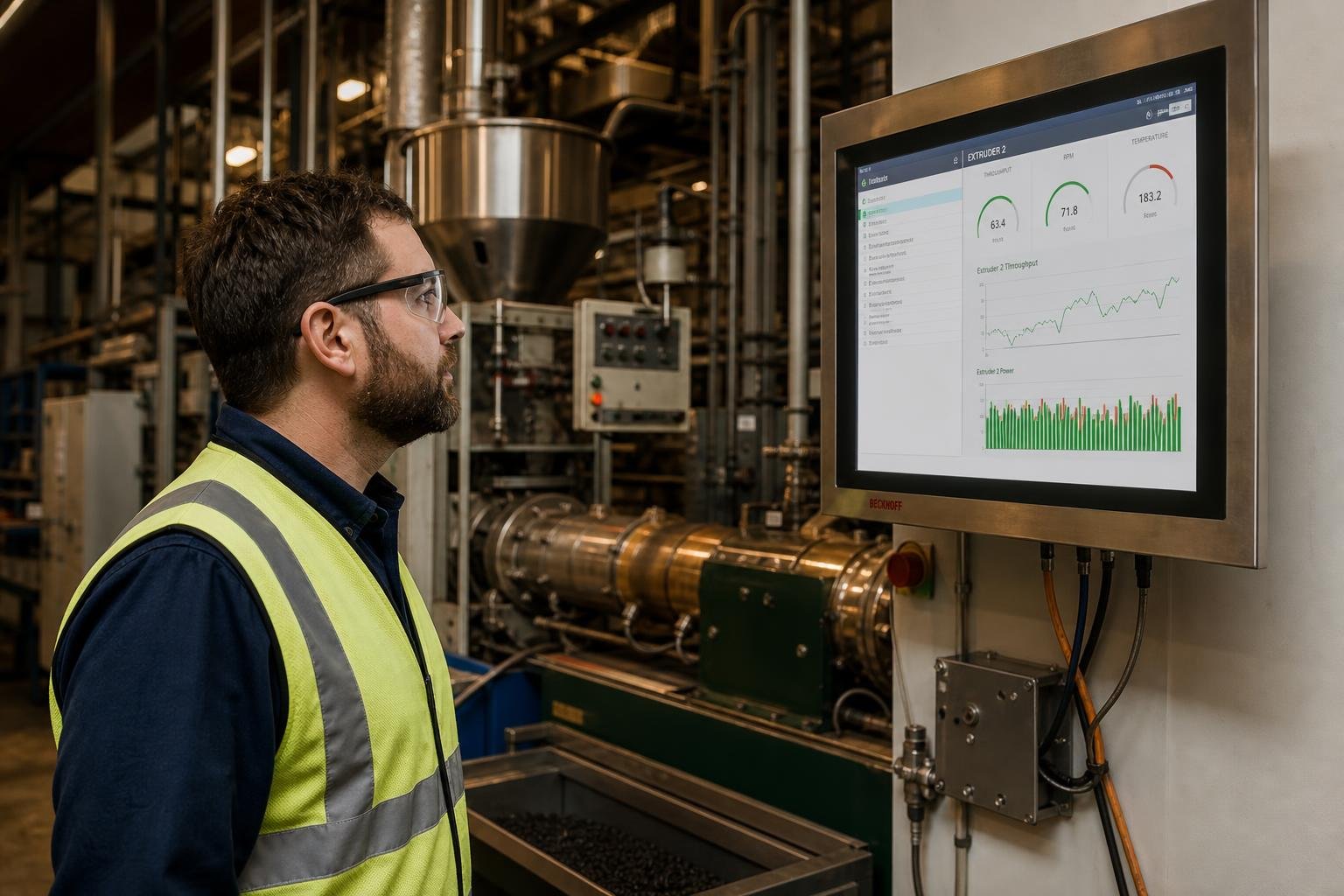
Industrial buyers are under pressure to source materials that are reliable, traceable, and commercially dependable.
Price still matters. Availability still matters. But for many manufacturers, the bigger risk is inconsistency. A material that performs well in one batch but creates processing issues in the next can affect production schedules, customer orders, and product quality.
That is why smart manufacturing is becoming more important in functional masterbatch.
Aviura manufactures industrial materials with a focus on technical consistency, responsible production, and practical documentation. AI supports that direction by helping production teams monitor data, understand variation, and improve repeatability.
For customers, this creates value in several ways.
Where smart manufacturing adds buyer value.
When process data is monitored closely, there is a stronger basis for batch to batch consistency.
Customers can discuss material performance with clearer production and testing records.
Earlier visibility of production variation can reduce avoidable quality issues.
A supplier with disciplined production data is better placed to support long term manufacturing needs.
Technical records, batch information, and quality evidence become easier to organise and review.
Smart manufacturing is not about replacing the basics of good production. It is about making them stronger. Good raw materials, experienced operators, technical testing, and reliable documentation still matter. AI adds another layer of control.
For Aviura, this is part of building a materials business that fits modern industry. Buyers need products that perform. They also need suppliers who can explain how those products are made, checked, and supplied.
Smart manufacturing helps close that gap.