
Insights
The transition to low-carbon energy is driven by technology,
infrastructure, policy, and markets working together.
AVIURA’s insights explore the developments shaping
hydrogen production, sustainable fuels, and the broader
energy transition.
We analyse emerging technologies, industry trends,
and strategic opportunities that will define the next
generation of clean energy systems.
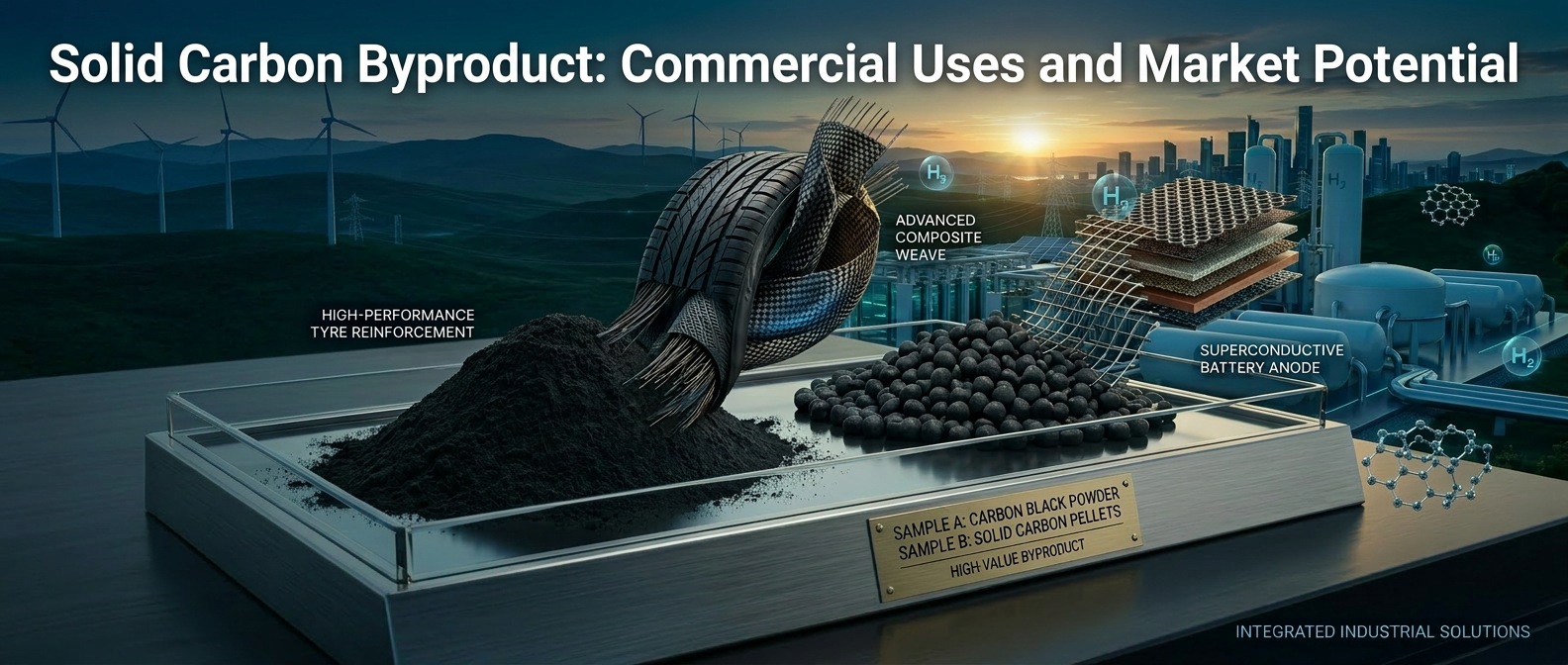
Turquoise hydrogen production produces solid carbon instead of carbon dioxide. This unique byproduct could unlock new industrial opportunities across materials, manufacturing and energy supply chains. As methane pyrolysis scales, the commercial value of solid carbon may become an important factor shaping the economics of hydrogen production.
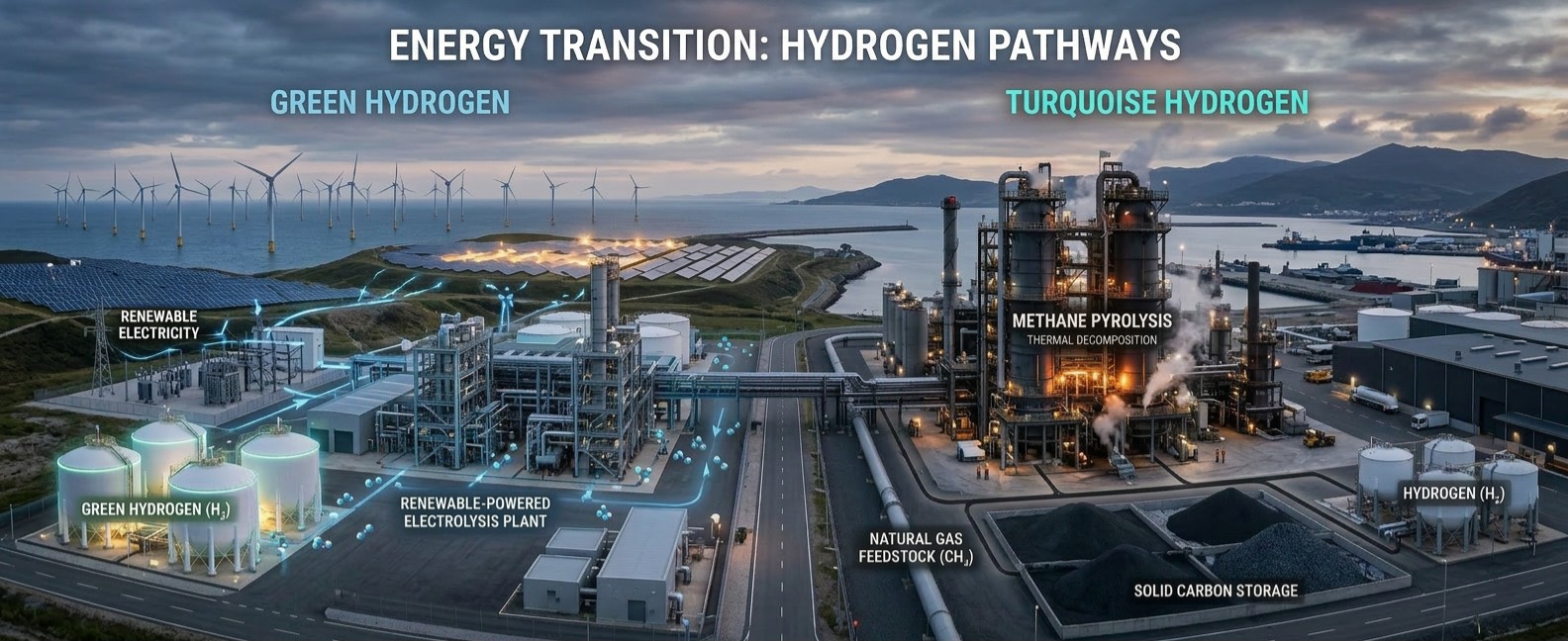
Green hydrogen has driven the global discussion on hydrogen, but turquoise hydrogen is quickly emerging as a potentially scalable and cost-effective option. As industries assess their long-term hydrogen strategies, understanding the differences in cost, carbon emissions, and infrastructure needs is becoming more critical.
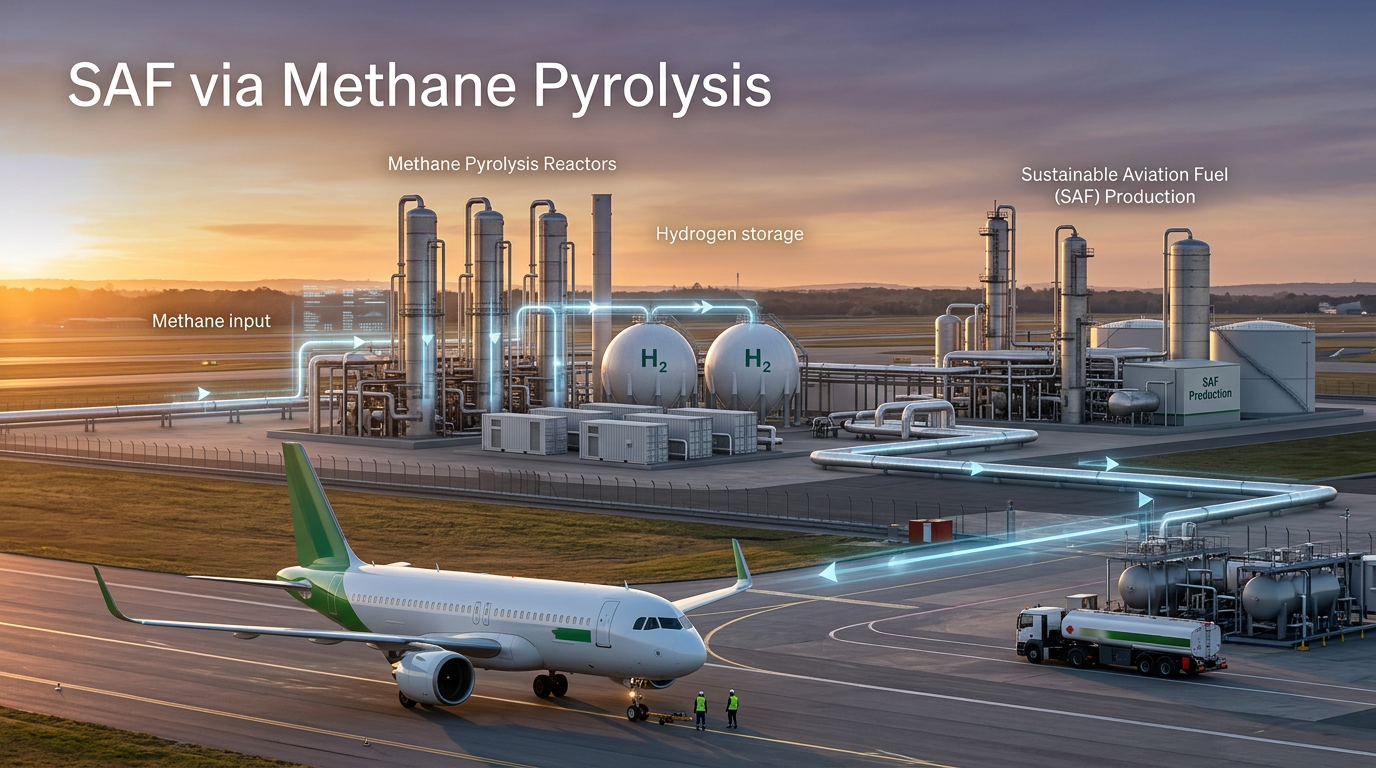
The aviation industry faces one of the most complex decarbonisation challenges in the global energy transition. Aircraft require fuels with extremely high energy density, making direct electrification unfeasible for most long-haul flights.
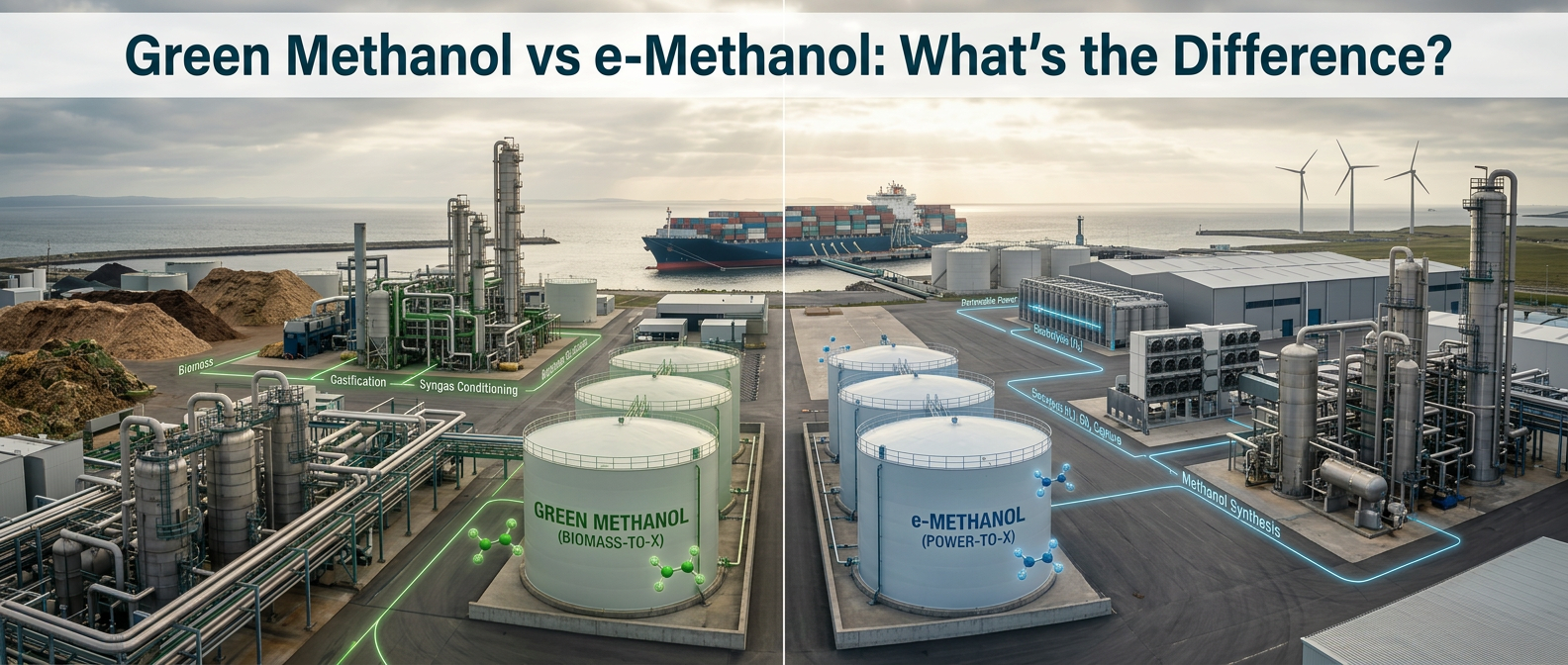
As the demand for sustainable fuels increases, the terms green methanol and e-methanol are frequently used interchangeably. However, their production methods, feedstocks, and energy needs vary considerably. Recognising these differences is key to evaluating methanol’s role in low-carbon fuels and maritime decarbonisation.